Pure Shilajit vs Fake Shilajit: How to Identify the Real One?
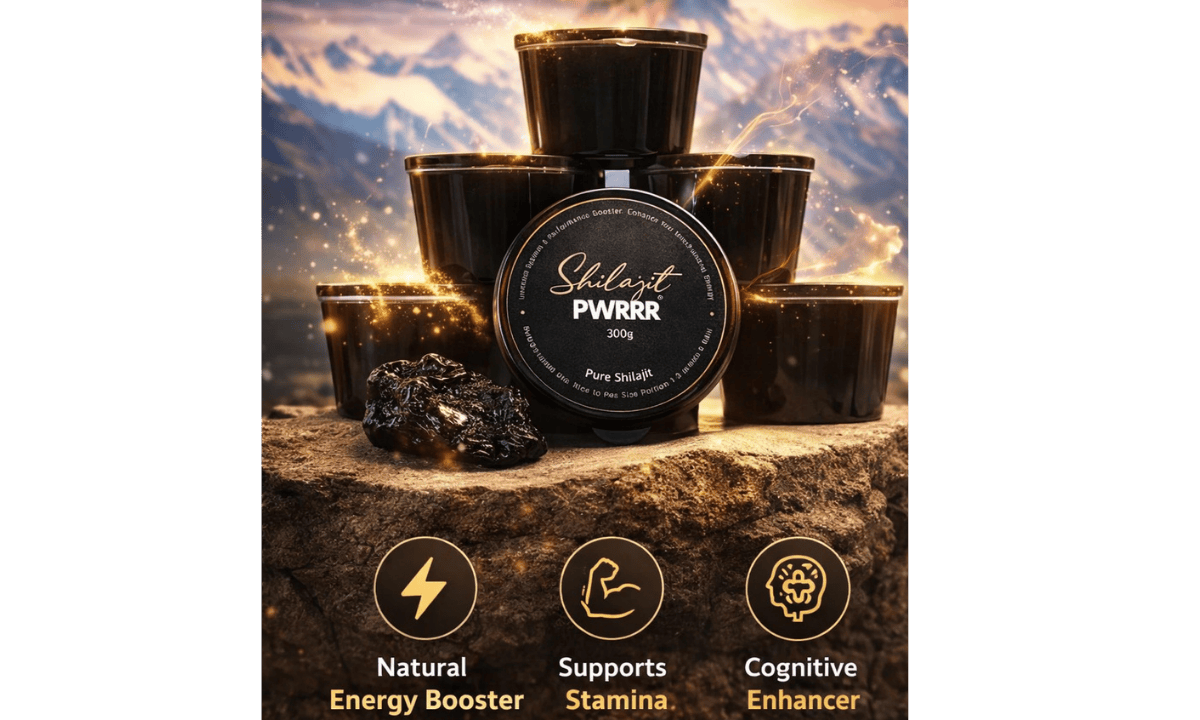
Shilajit has become popular in recent years. Many people are curious about its potential health benefits. But with this growing interest, fake products have flooded the market. It is indeed a challenge and a real one. When you purchase a product that is related to your health, you rightfully expect it to be both safe and genuine.
Figuring out how to distinguish pure shilajit from fake shilajit will not only save you from emptying your pockets in vain but also from unknowingly introducing harmful substances into your body.
What Is Pure Shilajit?
Shilajit is a natural resin that forms over centuries. It develops from the slow breakdown of plants and organic matter in the Rocky Mountain areas.
Most authentic shilajit comes from high-altitude regions. The Himalayas are especially known for producing high-quality shilajit. Other mountain ranges in Central Asia also yield this substance.
Pure one contains:
- Fulvic acid (a key active compound)
- Over 80 trace minerals
- Amino acids
-
Plant-based antioxidants
Raw shilajit straight from the mountains isn't ready to use. It often contains dirt, rocks, and other impurities. That's why purification is essential before it reaches you. Proper processing removes contaminants while keeping the beneficial compounds intact.

What Is Fake Shilajit?
Fake shilajit is basically a poor, quality, or chemically made version of the real Himalayan resin. It is usually mixed with dangerous substances such as tar, glue, or plastic and might not dissolve in water, will burn if heated, or will not have the characteristic of a strong earthy aroma. Using fake shilajit does not provide any health benefits and can even be very harmful to one's health.
Why is fake Shilajit common?
The demand for shilajit is high. But to find the genuine is rare. It is a very lengthy process for it to be naturally formed. Besides that, extracting it from the remote mountain areas is a very difficult and costly task.
This difference between what is supplied and what is demanded results in a problem. A few traders, in order to get quick money, resort to taking shortcuts.
Common adulterants found in fake products include:
- Coal tar or industrial resins
- Fertilizer-grade fulvic acid
- Charcoal or ash
- Sugar syrups for added weight
- Low-cost powders and fillers
Much of the shilajit sold online comes from unknown sources. Without proper testing, there's no way to know what you're actually getting. Low prices often signal low quality or something that isn't shilajit at all.
Pure Shilajit vs Fake Shilajit: Key Differences
Knowing the characteristics of Pure shilajit helps you spot fakes quickly. Here's a simple comparison:
|
Feature |
Pure Shilajit |
Fake Shilajit |
|
Color |
Dark brown to black, glossy |
May be dull, grayish, or unnaturally dark |
|
Texture |
Sticky, soft, and pliable |
Hard, crumbly, or too smooth |
|
Smell |
It has a strong, earthy odor |
No smell, chemical smell, or burnt smell |
|
Taste |
It has a bitter, slightly metallic taste |
Sweet, bland, or artificial taste |
|
Solubility |
Pure shilajit should dissolve completely in warm water |
It may not dissolve fully; leaves a residue |
|
Heat reaction |
Softens when warmed; doesn't burn easily |
Burns like plastic or melts strangely |
These differences are easy to check once you know what to look for.
Simple Tests to Identify Real Shilajit at Home
You don't necessarily require a laboratory setup to do basic tests. Below are some authenticity tests that are so simple, you can perform them in your kitchen.
Water Solubility Test
Slice a tiny piece of shilajit and sprinkle it in a glass of warm water. A genuine one will thoroughly dissolve after a few minutes. The color of the water should be either reddish, brown, or golden. Counterfeit items frequently result in residual matter or simply do not dissolve. If pieces are either floating or sinking without dissolving, then it could be a fake.
Flame Test
Use caution with this test. Take a tiny amount of shilajit and hold it near a flame using a metal spoon. An authentic one should not catch fire. It will bubble and form ash. If it burns like plastic, produces black smoke, or melts into a sticky mess, it's likely adulterated. Never do this test near flammable materials. Keep the flame small and controlled.
Texture and Pliability Test
Hold a small piece of shilajit between your fingers. Your body heat should soften it. An authentic one should be pliable and stretchy when warm. Fake versions may crumble, stay hard, or feel waxy. Real shilajit resin has a tar-like consistency that changes with temperature.
Room Temperature Behavior
Notice how your shilajit behaves when you store it at room temperature. Genuine shilajit becomes harder in cold conditions and softer when warm. If it stays the same texture regardless of temperature, that's a warning sign.

Health Risks of Using Fake Shilajit
Buying fake or adulterated shilajit isn't just a waste of money. It can actually harm you.
- No real benefits: Fake products don't contain the compounds found in shilajit. You won't get any of the potential benefits you're hoping for.
- Contaminants: Adulterated shilajit may contain harmful fillers, industrial chemicals, or unknown substances. These aren't meant for human consumption.
-
Digestive problems: Many people report stomach discomfort, nausea, or cramping after using low-quality products.
-
Heavy metal exposure: Unpurified or fake shilajit may contain harmful levels of lead, arsenic, or mercury. Long-term exposure to heavy metals can cause serious health issues.
This is why purity matters. Your health is too important to risk on questionable products.
How to Buy Authentic Shilajit?
Protecting yourself starts with smart shopping. Here's what to look for before buying authentic Shilajit:
- Lab testing: Choose products that have been tested by independent laboratories. This confirms that shilajit is real and free from contaminants.
-
Certificate of Analysis (COA): A COA shows exactly what's in the product. It should list heavy metal levels, microbial testing results, and fulvic acid content. Reputable sellers make this available.
-
Transparent sourcing: Good brands tell you where their shilajit is sourced. They explain their purification process clearly.
-
Trusted sellers: Buy from established companies with verified reviews. Be cautious with extremely cheap products or sellers with no track record.
When it comes to shilajit, paying a little more for quality is worth it. The real deal costs more because genuine sourcing and proper testing require investment.
Conclusion
Telling the difference between pure shilajit and fake shilajit isn't difficult once you know what to check. Look at the color, smell, taste, and how it dissolves in water. One can check the purity through a few simple home tests before applying it. Also, get your product from vendors who provide lab testing and clear sourcing information.
Counterfeit products are everywhere, but with just a bit of knowledge, they can be avoided. Following these measures not only helps safeguard you but also makes you feel certain about what is in your hands.