When Is the Best Time to Take Shilajit While Fasting?
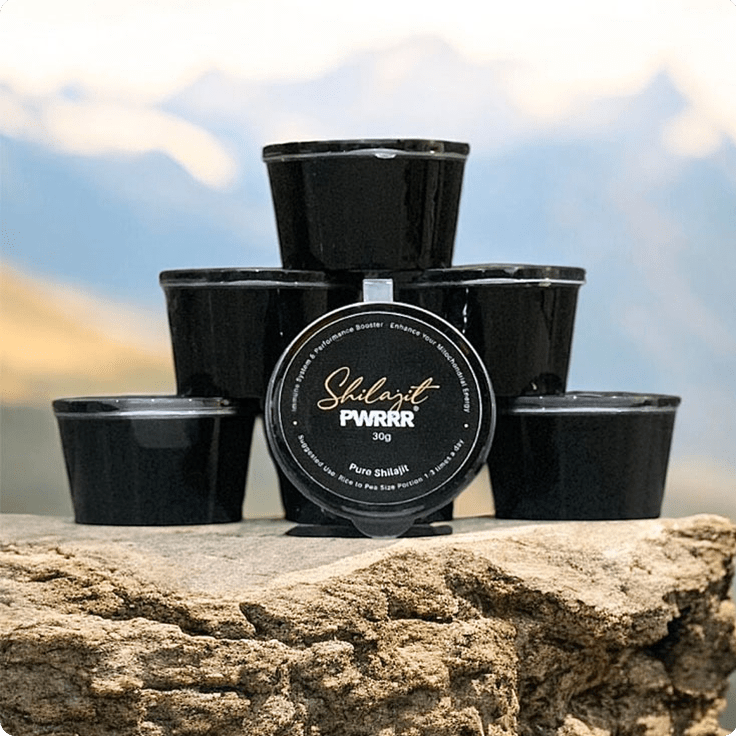
Shilajit can break a fast depending on the fasting method. A small pea-sized amount is usually fine during intermittent fasting and does not disrupt the fast. However, shilajit breaks a water fast because it contains trace minerals, and it should be avoided during dry fasting. Technically, shilajit breaks a fast, but this mainly matters when fasting is for zero-calorie intake or strict autophagy.
When Is the Best Time to Take Shilajit While Fasting?
Shilajit is a great supplement to have first thing in the morning while doing intermittent fasting, during your eating window, or when you break your fast. Do not take shilajit with water or dry fast, and do not take it just before going to bed because it may give you energy and disturb your sleep.
Understanding Fasting and Its Goals
Fasting means not eating for a set time, with clear periods of eating and fasting. People fast to support digestion, focus, and balance. Fasting goals can be different; some fast for weight balance, while others fast to maximize autophagy, a natural process where the body cleans and renews itself. Because each fasting method has different goals, fasting and shilajit should always be considered together.
Various Types of Fasting
The various types are:
Intermittent Fasting
Including intermittent fasting, this method uses a fasting window and an eating window. Many people consume supplements during intermittent fasting if they do not disrupt the fasting state. Shilajit is often consumed during intermittent fasting in small amounts.
Water Fasting
Water fasting aims for zero-calorie intake. Only water is allowed. Since shilajit contains trace minerals, it technically breaks a water fast. If strict fasting goals are in place, it’s best to avoid shilajit.
Dry Fasting
Like water and dry fasting, no food or drink is allowed. Supplements are avoided. In this fasting method, it’s best to avoid shilajit entirely.
Fat Fasting and Religious Fasting
Fat fasting allows only fats, so shilajit does not fit. Shilajit during religious fasting depends on personal or spiritual rules.
Health Benefits of Shilajit
Shilajit is a naturally derived supplement that can bring a host of health benefits. Shilajit can be a great companion for fasting as it may help maintain your energy, mental clarity, and emotional stability. In particular, shilajit contains a high amount of fulvic acid, which not only aids in better nutrient absorption but also, quite possibly, can be a source of energy during extended fasts. Shilajit is rich in fulvic acid, and fulvic acid in Shilajit Benefits the body stay steady and supporting clarity during fasting periods.
Shilajit While Fasting: When It Makes Sense?
Best Time to Take Shilajit, while fasting, makes sense mainly during intermittent fasting. Shilajit is generally safe to take on an empty stomach when used in small amounts. A pea-sized amount of shilajit resin dissolved in warm water is enough, and taking it in the morning may support balance and energy without discomfort. High-quality options like sun-dried Himalayan shilajit work best. Shilajit fits into your fasting routine when the goal is balance, not strict cellular cleansing or deep autophagy.

When It’s Best to Avoid Shilajit?
It’s best to avoid shilajit if:
-
You are water fasting for extended periods
-
You are dry fasting
-
Your fasting goals focus only on autophagy
In these cases, it’s best to wait and break the fast first.
Best Time to Take Shilajit
The best time to take Shilajit will depend on your fasting schedule. Most individuals have it during the eating window, at the time of breaking a fast, or first thing in the morning while doing intermittent fasting.
It is generally more comfortable for the body to have Shilajit first thing in the morning. Taking shilajit in the morning may enhance your fasting experience and help support energy. Shilajit consumption before sleeping is not a good idea for everyone since this substance can boost the energy level and thus interfere with sleep.
Using Shilajit to Break the Fast
Using shilajit when breaking a fast can feel gentle. Shilajit may support digestion and energy when the fasted state ends. This makes shilajit a helpful addition to your fasting regimen after fasting is complete.
Conclusion
Shilajit is a naturally derived, mineral, packed resin that may have various health benefits. As shilajit has trace minerals, it does chemically constitute a fast break. Nevertheless, shilajit might be good for you, depending on your fasting regimen.
Knowing how shilajit goes with various methods of fasting enables you to know the situations when you should use it and when it's better not to use it. Shilajit, if used appropriately, can be your fasting companion and, at the same time, a part of your health regimen without any risks.